The $900 Lift Rental Charge Nobody Meant to Keep Paying
By Chris Kimbell · · 3 min read
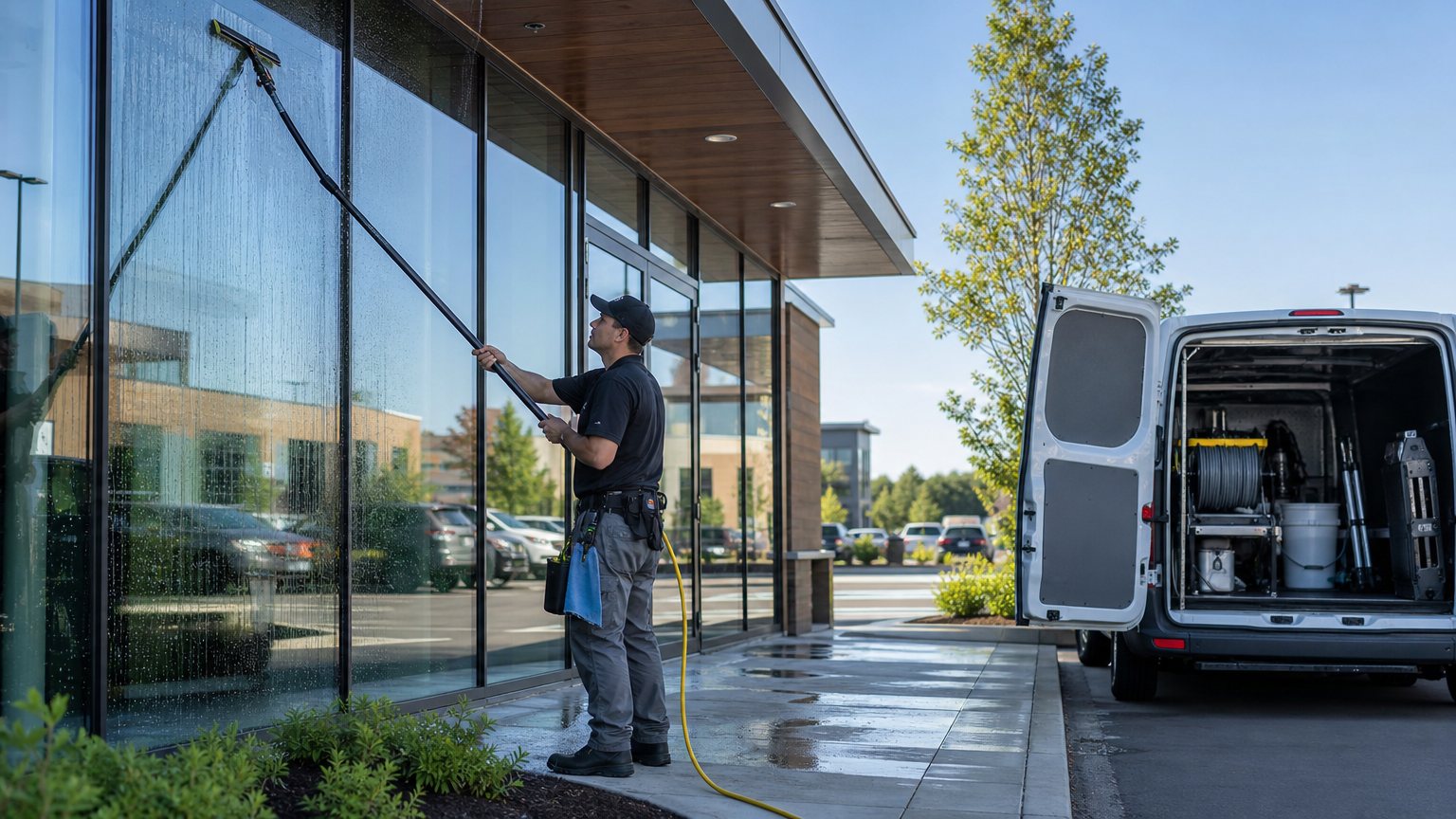
A few weeks ago, I was reviewing the books for a window cleaning company with six technicians, three vans, and a solid mix of residential work and recurring commercial accounts. The owner had told me more than once that he was probably going to stop taking larger commercial route work. In his mind, the routes kept the crew busy but did not leave much money behind.
I understood why he felt that way. The commercial invoices looked decent, but the bank balance never seemed to rise after payroll, fuel, repairs, and the usual stack of small purchases. A water-fed pole clamp here, replacement brushes there, windshield fluid, parking, lunch for a crew working downtown. None of those expenses seemed alarming on their own.
While matching transactions, I noticed a rental company charge that showed up every four weeks. It was just under $900, so it was easy to recognize once I looked back a few months. The client had rented a compact lift for a multi-story job earlier in the year. The project ended, but the rental agreement had quietly rolled into a monthly extension.
Nobody had been trying to hide anything. The lift had been moved to the yard after the job, and everyone assumed it had been returned. The owner was busy scheduling crews, dealing with weather delays, answering quote requests, and keeping customers happy. The card charge kept landing in the bank feed, getting categorized as equipment rental, and life moved on.
We called the rental company, confirmed the lift had been sitting unused, and arranged for pickup. They would not refund the full amount, but they did credit part of the most recent billing period. More important, the company stopped losing nearly $11,000 a year on equipment it was not using. That is a real chunk of profit for a small crew.
That discovery led us to look at the commercial work more carefully instead of judging it by the overall bank balance. We grouped the route revenue together, then matched the direct costs that actually belonged to those accounts: technician time, fuel, parking, supplies, lift rental when needed, and the occasional repair tied to the work.
The picture was better than the owner expected. His recurring commercial routes were profitable. Not wildly profitable every single visit, but steady and healthy once we separated them from the unrelated costs floating through the business. The routes also filled weekdays that might otherwise have been slower and gave him a predictable base of monthly revenue.
There was one account that needed a price adjustment because the crew was spending longer on site than the original quote allowed. There were also two routes that made more sense to schedule on the same day to cut down on driving. Those were manageable fixes, not a reason to throw away the commercial side of the business.
I see this often with window cleaning companies. Owners usually know their craft and can tell you exactly which jobs are frustrating, which buildings have difficult access, and which customers pay late. But it is hard to see what each part of the business is earning when expenses are mixed together and recurring charges are not reviewed closely.
At Blackfin, this is the kind of work I enjoy: getting the books caught up enough that the owner can make a decision based on something more solid than a gut feeling. If your commercial routes feel busy but unclear, Blackfin can help you sort out where the money is actually going.
This article is general information, not tax, legal, or investment advice. Every business is different, so call us at 406-404-8955 to talk about yours.

Chris Kimbell, Founder of Blackfin Accounting
About Chris and Blackfin